How Oakdale Homebuyers Can Build Wealth Through Real Estate—Despite Today’s Challenges
Rising costs and higher rates can make buying feel out of reach. Learn how Oakdale buyers can plan wisely, build equity, and turn a home into a lasting asset.
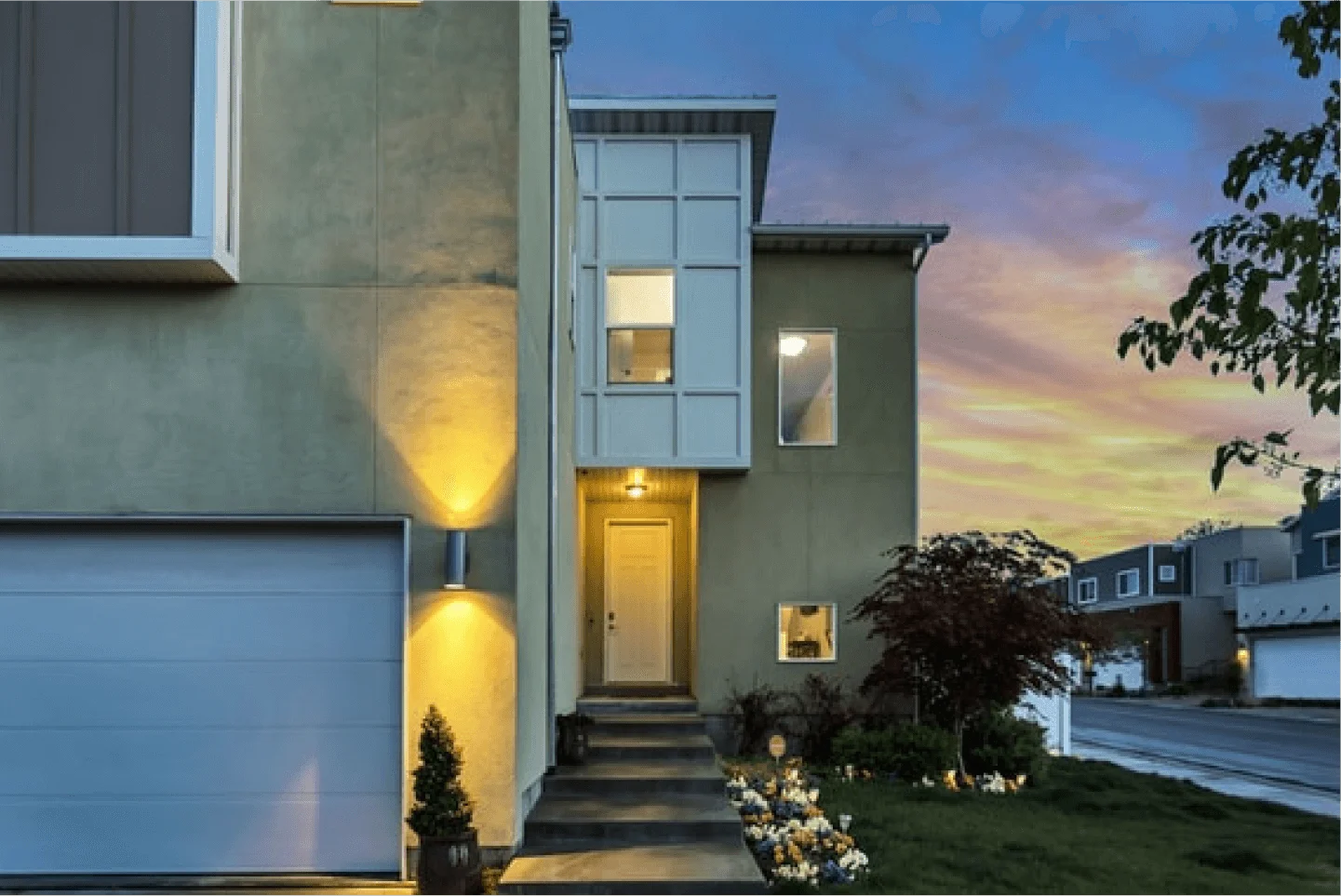
For many Oakdale homebuyers, owning a home is about more than having a place to live. It can also be a way to build long-term wealth. That goal may feel harder when home prices, monthly costs, and everyday expenses are high. Yet real estate can still offer a path forward when you make thoughtful choices, plan for the costs, and give your investment time to grow.
Building wealth through homeownership is not automatic. A home’s value can rise or fall, and owning a property comes with ongoing expenses. But a home can provide both a place to live and an asset that may grow in value over time. Understanding how that works can help you make decisions that fit your goals and budget.
How homeownership can build wealth
One way homeowners build wealth is through home equity. Equity is the difference between what your home is worth and what you owe on your mortgage. As you make mortgage payments, part of each payment may reduce the loan balance. If your home’s value also increases, your equity may grow from both sources.
For example, imagine you buy a home and make regular payments over several years. Your loan balance gradually goes down. If the home is worth more than it was when you bought it, the gap between its value and your loan balance may become larger. That equity can be an important part of your financial picture.
Homeownership may also help you build wealth by giving you a more stable place to live. With a fixed-rate mortgage, the principal and interest portion of your monthly payment generally stays the same. Other housing costs, such as property taxes, insurance, and repairs, can change. Still, stable mortgage payments may make it easier to plan your budget over time than rent payments that can increase.
Real estate can also give you choices in the future. You may be able to sell the home, keep it as a rental property, or use available equity for certain needs. Each choice comes with costs and risks, so it is important to understand your options before making a move.
Look beyond the purchase price
A home’s price is only one part of what it costs to own. Before buying, build a full picture of the monthly and one-time expenses. These may include the down payment, closing costs, property taxes, homeowners insurance, mortgage insurance, utilities, maintenance, and repairs.
A home that fits your budget on paper may feel less comfortable after you add all these costs. Try to leave room for savings and unexpected expenses. A water heater, roof, or appliance may need repair or replacement without much warning. Setting aside money for upkeep can help you avoid relying on credit or using funds meant for other goals.
It can also help to think about how long you expect to stay in the home. Buying and selling both involve costs. If you may move soon, you might not have enough time to build equity or recover those costs. If you plan to stay longer, you may have more time for your loan balance to decrease and for the home’s value to change. No one can predict future home values, so consider your plans as well as the numbers.
Choose a home that supports your goals
A home does not need to be large or perfect to help you build wealth. The right choice is one that meets your needs while leaving room in your budget. Consider how much space you truly use, how close you want to be to work or school, and what features matter most to your daily life.
It may be helpful to separate “must-haves” from “nice-to-haves.” A shorter wish list can make it easier to focus on homes that fit your budget. You might also consider whether a home with fewer updates, a smaller yard, or a different layout could meet your needs at a more manageable cost. Any home that needs work should be reviewed carefully. Repair costs can add up, and some problems may require expert attention.
Think about the property’s location and the features that could matter to future buyers. Access to services, transportation, parks, and schools may affect a home’s appeal, though no feature can guarantee that its value will rise. The goal is to choose a home you can afford and enjoy, while also considering how it may serve you over time.
Make a down payment plan that fits
A larger down payment can reduce the amount you borrow and may lower some loan costs. But putting every available dollar toward the purchase may leave you without enough savings for emergencies, moving expenses, or home repairs. A smaller down payment may help preserve savings, but it could mean a larger loan payment or mortgage insurance, depending on the loan program and other details.
There is no single down payment amount that works for everyone. Your income, savings, debts, credit history, and plans all matter. It may help to set a savings target that includes both the funds needed to buy and money to keep after closing. A mortgage loan officer can explain how different down payment choices may affect your payment and loan costs.
Strengthen your overall financial position
Your mortgage is only one part of your finances. Paying bills on time, managing debt, and keeping a steady savings habit can help you prepare for homeownership. Before applying, review your monthly expenses and think about whether any debts could be reduced. Avoid taking on new debt without understanding how it may affect your ability to qualify or manage your payment.
It can also be useful to check your credit information and correct any errors you find. Your credit history is one factor that may affect the loan options available to you. Starting early gives you time to address questions and organize documents, such as income records, bank statements, and information about your debts.
A clear budget can show what payment feels comfortable, not just what you may be able to borrow. Consider your take-home pay and regular costs, then decide how much room you want to leave for savings, family needs, and enjoyable activities. The goal is not simply to qualify for a mortgage. It is to choose a payment that supports your life after you move in.
Build equity with steady habits
Once you own a home, regular mortgage payments can help reduce your loan balance over time. If your budget allows, making extra principal payments may reduce the balance faster. Before doing so, check your loan terms and consider whether you have enough emergency savings. Extra payments are not the right choice for every household.
Taking care of your home can also help protect your investment. Regular maintenance may prevent small issues from becoming bigger, more expensive problems. Keep records of major repairs and improvements. Some updates can make a home more comfortable or appealing, but not every project adds the same value. Before spending a large amount, consider the cost, how long you plan to stay, and whether the improvement meets a real need.
If your income changes or a major expense comes up, review your budget early. Contact your mortgage servicer if you are worried about making payments. Asking about available support before a problem grows may give you more choices.
Know the risks as well as the rewards
Real estate can be a useful long-term asset, but it is not guaranteed to make money. Home values can fall, and it may take time to sell a property. Selling also comes with expenses, such as repairs, moving costs, and transaction fees. If you use your home as a rental, you may face vacancies, maintenance costs, and the work of managing tenants.
A home is also a large part of many people’s financial lives. It is wise to avoid relying on future price increases to solve today’s budget concerns. Make your decision based on what you can manage now, along with your plans for the future. A steady approach can help you handle changes in the market and in your personal life.
Your path to homeownership should reflect your own goals. You may be buying your first home, moving to a different home, or planning to keep a property for the long term. The right loan structure and budget depend on your situation, and small details can make a meaningful difference.
Reach out to our mortgage team to go over your goals, budget, and specific needs. A knowledgeable loan officer can help you understand your financing options and plan the next steps toward building wealth through homeownership.