Exploring Your Options: Do You Really Need 20% Down to Buy a Home?
Thinking you need 20% down is old news! Discover flexible options that open the door to homeownership—without breaking the bank. Your dream home awaits!
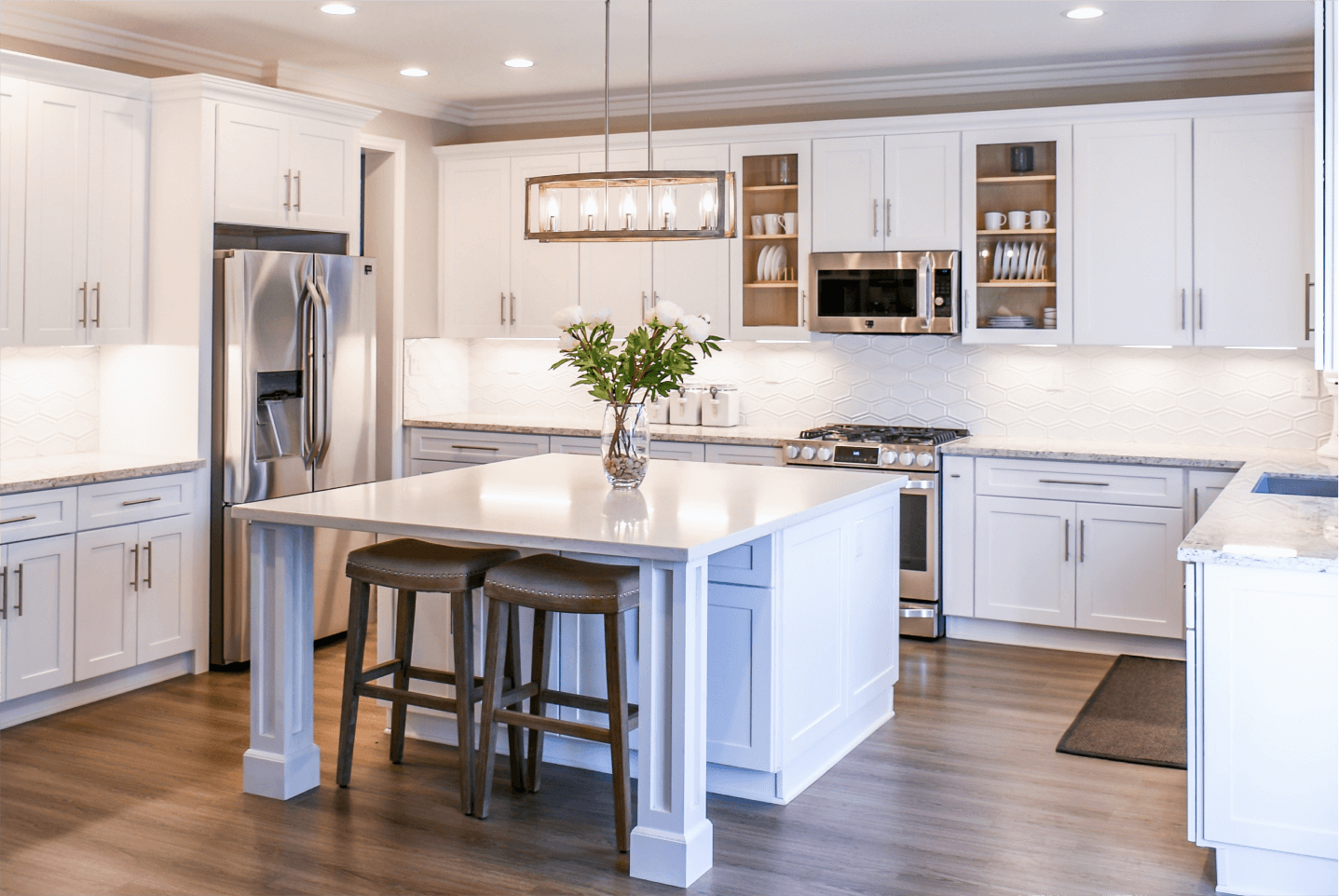
Buying a home is one of the most exciting journeys many people embark on in their lives. It’s also a decision filled with questions, especially when it comes to the financial side of things. One of the most common myths surrounding home purchases is the belief that you need to put down 20% of the home’s price to make it happen. This idea can be daunting and may even discourage potential buyers from taking the first step toward homeownership. Let’s explore your options and uncover the truth behind this widely-held belief.
First, let’s talk about the 20% down payment myth. The conventional wisdom of saving 20% is rooted in the idea that a larger down payment reduces the risk for lenders. This means lower monthly payments and the possibility of avoiding private mortgage insurance (PMI), which is an additional monthly charge that protects lenders if a borrower defaults on their loan. While these points are valid, they do not tell the whole story.
The reality is that many homebuyers today do not have the luxury of waiting until they can save 20%. In fact, a significant percentage of homebuyers put down much less than that, and they successfully secure their dream homes. Let’s delve into some of the options available to you if you are not ready to put down 20%.
One popular option is the FHA loan, which is backed by the Federal Housing Administration. FHA loans allow buyers to purchase a home with as little as 3.5% down. This program is designed to help first-time homebuyers and those with less-than-perfect credit. By lowering the down payment requirement, the FHA opens the door for many individuals and families who may otherwise be sidelined in their quest for homeownership.
Another option worth considering is a VA loan, which is available to eligible veterans, active-duty military members, and certain members of the National Guard and Reserves. One of the most appealing features of a VA loan is that it often requires no down payment at all. This can be a game-changer for those serving our country, allowing them to secure a home without the burden of a large upfront payment.
For those who do not qualify for FHA or VA loans, conventional loans can still be a viable option. Many lenders offer programs that require down payments as low as 3%. These loans can be particularly beneficial for first-time buyers looking to enter the market without waiting years to save a sizable down payment.
It’s important to note that while a lower down payment can make homeownership more accessible, it may come with other costs, such as PMI. Private mortgage insurance can range anywhere from 0.3% to 1.5% of the original loan amount annually, depending on the size of your down payment and credit score. While this adds to your monthly expenses, it’s essential to weigh that cost against the benefits of owning a home sooner rather than later.
Now that we’ve explored various loan options, it’s also crucial to understand how you can prepare for a home purchase. The first step is to assess your financial situation. Take a close look at your income, savings, and credit score. A strong credit score can not only help you qualify for a loan but can also secure you better terms. If your credit score needs improvement, consider taking some time to boost it before applying for a loan.
Next, create a budget that includes all of your anticipated costs, not just the down payment. Don’t forget to factor in closing costs, home inspections, and moving expenses. Having a clear financial picture can help you set realistic expectations and save accordingly.
Another key aspect of buying a home is understanding your purchasing power. Speak with a knowledgeable mortgage loan officer who can help you understand how much you can afford based on your income and expenses. They will be able to guide you through the various mortgage options available and help determine which one is best suited for your situation.
Additionally, consider seeking out homebuyer education programs. Many organizations offer workshops that provide valuable insights into the home-buying process. These programs can equip you with the knowledge you need to make informed decisions and feel confident as you navigate the journey to homeownership.
When you find the right mortgage product for your needs, the next step is to get pre-approved. This process not only shows sellers you are a serious buyer but also helps you understand your budget more clearly. A pre-approval gives you a better idea of how much money you can borrow, which can streamline your home search.
Furthermore, it is essential to remain open-minded about the types of homes you consider. While you may have your heart set on a particular neighborhood or style of home, expanding your criteria could lead to finding a property that fits your budget and meets your needs.
Lastly, remember that the home-buying process can be competitive, especially in desirable areas. Being prepared to act quickly when you find a home you love can make a significant difference in securing the property.
In summary, while the idea of putting down 20% to buy a home is common, it is not a requirement for many buyers. With various loan options available and a proactive approach to preparing your finances, you can explore your options and find a path to homeownership that suits your situation.
If you’re ready to discuss your specific needs and get started on your journey to buying a home, reach out today. Our team of experienced mortgage loan officers is here to help you navigate your options and find the best solution for you. Let’s make your dream of homeownership a reality!