Choosing a Mortgage in Middletown, MD? Compare 15- and 30-Year Fixed Options
Choosing between 15- and 30-year mortgage terms can feel tough. Compare monthly payments, interest costs and flexibility to find what fits your budget in Middletown.
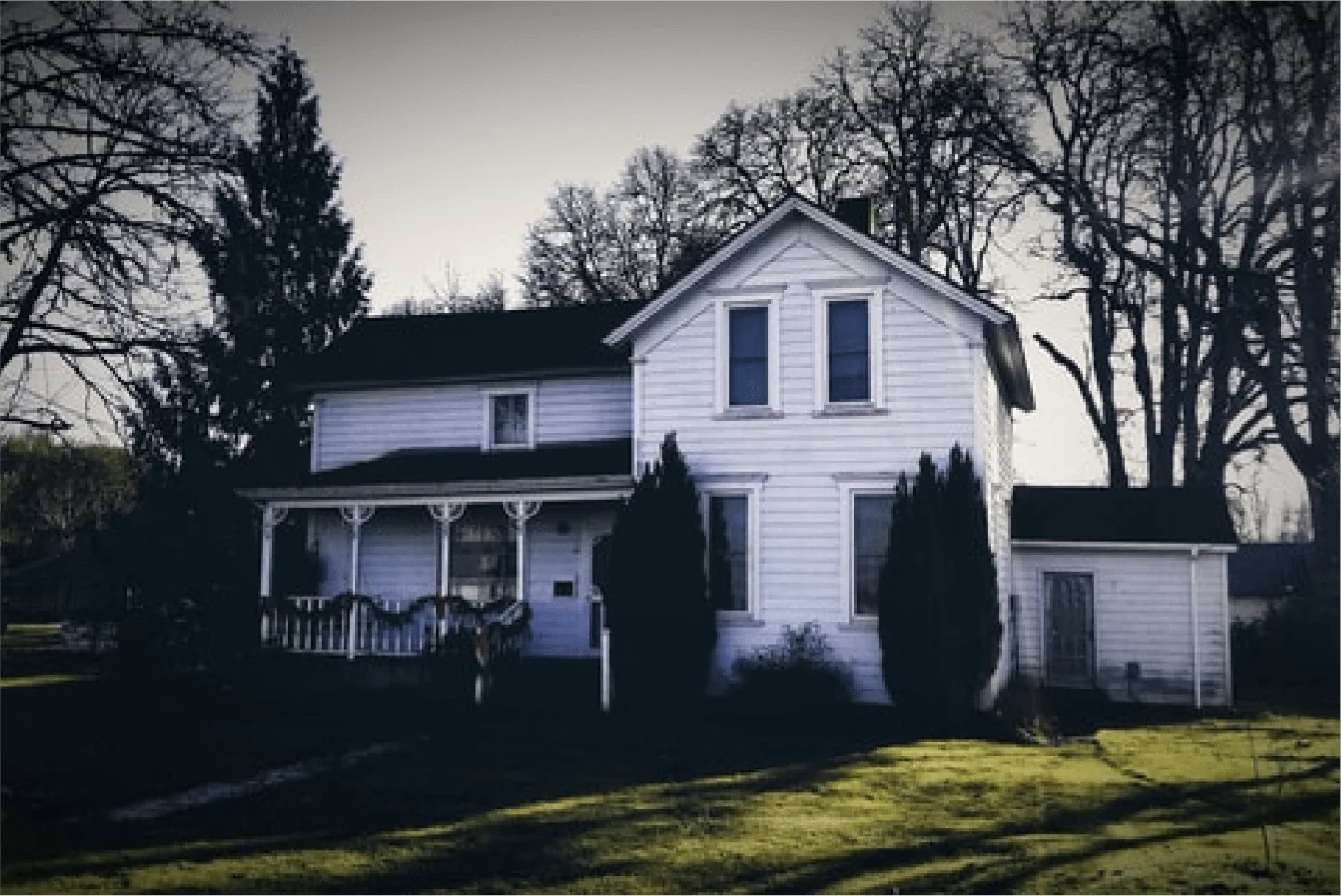
Buying a home in Middletown, MD, is a major decision. The right mortgage can help you manage monthly costs, build equity, and stay on track with your long-term plans. Two common choices are a 15-year fixed-rate mortgage and a 30-year fixed-rate mortgage. Both offer a set repayment period and a fixed interest rate, but they affect your monthly budget and total borrowing costs in different ways.
Understanding how each option works can help you decide which may fit your goals. Your income, savings, plans for the home, and comfort with monthly payments all matter. A loan officer can help you review these details and understand how each choice could work for your situation.
How a fixed-rate mortgage works
With a fixed-rate mortgage, the interest rate stays the same for the full loan term. Your scheduled principal and interest payment does not change because of market rate changes. This can make it easier to plan your budget.
Your total monthly housing cost may still change. Property taxes, homeowners insurance, mortgage insurance, and some other costs can rise or fall over time. If these items are collected with your mortgage payment, your monthly bill may change even though the principal and interest portion stays fixed.
The loan term is the time set for repaying the mortgage. A 15-year loan gives you less time to repay than a 30-year loan. Because the balance is paid down faster, the required monthly principal and interest payment is usually higher. A 30-year loan spreads repayment over more months, which generally makes that portion of the payment lower.
The 15-year fixed option
A 15-year fixed mortgage may appeal to borrowers who want to pay off their home sooner. Since the loan balance is repaid over a shorter period, you may pay less interest over the life of the loan than you would with a longer term, assuming the same loan amount and comparable terms.
The tradeoff is a higher required monthly principal and interest payment. Before choosing this option, look beyond the payment estimate. Consider whether you can manage the payment while still covering everyday expenses, saving for emergencies, and meeting other financial goals. Homeownership can bring costs such as repairs, maintenance, and utility bills, so leaving room in your budget matters.
A shorter term may suit you if you have steady income, manageable debt, and enough savings to handle unexpected expenses. It may also be worth considering if paying off your mortgage sooner is a high priority. But a larger payment can limit your flexibility. If your income changes or a major expense comes up, you will still need to make the scheduled payment.
The 30-year fixed option
A 30-year fixed mortgage offers a longer repayment period. The required monthly principal and interest payment is generally lower than for a 15-year loan with the same loan amount and similar terms. That lower payment can leave more room in your budget for savings, home repairs, childcare, education, or other priorities.
The longer term also means you may pay more total interest over the life of the loan if you make only the required payments. Your balance also tends to decrease more slowly at first than it would with a 15-year loan.
Some borrowers choose a 30-year term for the flexibility of a lower required payment. If their finances allow, they may make extra principal payments from time to time. This can reduce the loan balance faster and may lower the total interest paid. Before making extra payments, check your loan terms and make sure your emergency savings and other financial needs are covered. Extra payments are optional only when your loan allows them without a penalty or other restriction.
Comparing the two options
When comparing loan terms, look at more than the monthly payment. Ask for a clear estimate of the principal and interest payment, as well as the expected total housing payment. The full payment may include property taxes, homeowners insurance, mortgage insurance, and other costs, depending on your loan and how payments are handled.
It can also help to compare the total interest you may pay if you keep the mortgage for its full term. This figure is an estimate based on the loan details and payment assumptions. Your actual costs may differ if you sell the home, refinance, or make extra principal payments.
Think about how long you expect to stay in the home. Your plans may change, but your best estimate can help you weigh the options. If you may move sooner than expected, a shorter term’s long-term interest savings may matter less than the required payment. If you expect to stay for many years, paying down the balance faster may be more important to you.
Your down payment and loan amount also affect the comparison. A larger down payment may reduce the amount you borrow, which can lower your principal and interest payment. Depending on the loan program and your circumstances, it may also affect mortgage insurance requirements. Ask your loan officer to explain how your down payment, credit profile, and loan type affect the available choices.
Planning for a home in Middletown
When you set a housing budget in Middletown, include the costs of owning the home, not just the mortgage payment. Property taxes and homeowners insurance can be important parts of your monthly expenses. You may also want to plan for routine upkeep, larger repairs, and changes in household needs.
Before deciding on a loan term, review your monthly income and expenses. List regular bills, debt payments, savings goals, and expected housing costs. Then consider how much of your income you are comfortable putting toward housing. A payment that fits a lender’s approval guidelines may not be the payment that feels right for your household.
It may help to keep savings available after closing. A home can need repairs at any time, and moving can bring costs that are easy to overlook. Avoid using every available dollar for the down payment and closing costs without considering what you will need afterward.
Questions to ask as you compare
Ask how the estimated payment is calculated and which costs are included. Find out whether the estimate includes taxes, insurance, and mortgage insurance, or only principal and interest. Ask how much cash you may need for the down payment and closing costs, and whether there are loan features or requirements you should understand.
You can also ask to see the 15-year and 30-year options side by side using the same loan amount and assumptions. This can make the payment difference clearer. Ask how much of each early payment goes toward principal and interest, and how the balance may change over time.
If you are considering making extra payments on a 30-year mortgage, ask how those payments are applied and whether there are any restrictions. If you are leaning toward a 15-year loan, ask how the higher required payment could affect your budget under different circumstances, such as a change in income or a new household expense.
Choose based on your goals and comfort
There is no single loan term that works best for every Middletown homebuyer. A 15-year fixed mortgage may support a goal of paying off the home sooner, but it requires a higher monthly principal and interest payment. A 30-year fixed mortgage may offer a lower required payment and more budget flexibility, but it usually takes longer to repay and can cost more in interest if paid as scheduled.
Your choice should reflect both the numbers and your day-to-day comfort. Think about how much payment flexibility you want, how quickly you hope to build equity, and what other goals you need to fund. A careful comparison can help you make a choice that supports your plans without putting too much pressure on your budget.
Reach out to one of our knowledgeable loan officers to review your goals, income, savings, and homebuying plans. We can walk you through 15- and 30-year fixed options for your situation and help you understand the costs and tradeoffs before you decide.